


Lockers
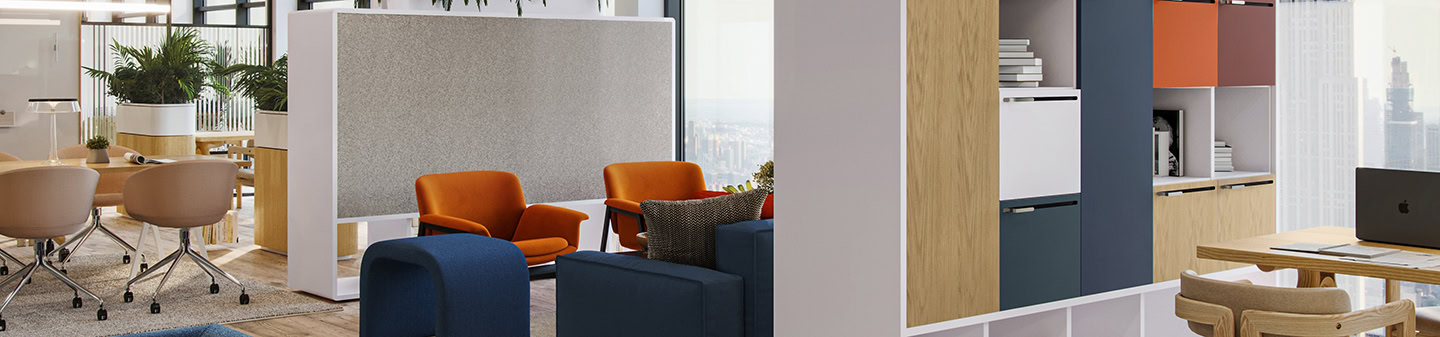
Lockers don’t do (just) one thing anymore
Not long ago, lockers had a pretty simple job: hold personal stuff. When you think about lockers, chances are you still picture high school hallways or gym walls.
But today, lockers do a lot more. They manage access, support daily operations, protect sensitive items, and shape how a space looks and feels. That’s why one space often needs multiple locker solutions, with different materials, different locks, and different rules, all working together under one roof.
The trick isn’t picking a locker. It’s knowing what problem you need it to solve.
Who’s using your lockers?
Where will your lockers live?
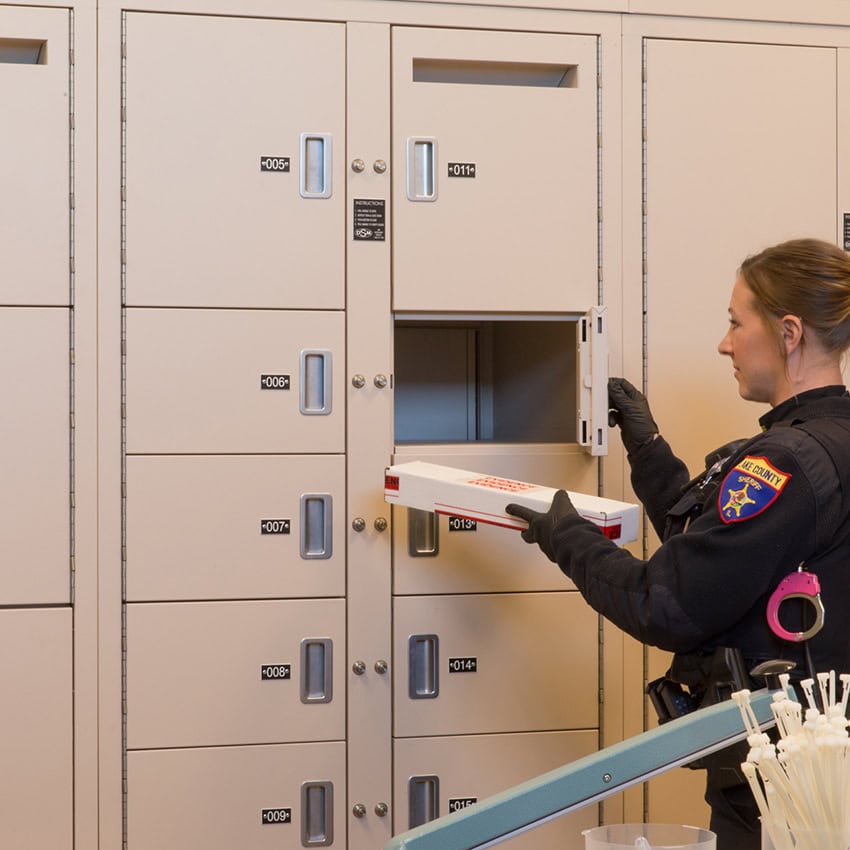
Lockers now live across offices, hospitals, public safety facilities, campuses, and industrial spaces. Each environment brings different expectations, which often determine how simple or managed access needs to be.
What will they support?
Beyond personal storage, lockers support workflow, secure handoffs, shared access, and policy enforcement. As responsibility increases, access control starts to matter more than the box itself.
What problems will they solve?
Locker decisions usually surface when time is lost, accountability is unclear, or space feels strained. Choosing the right option on the access spectrum helps solve those issues without adding unnecessary complexity.
Lockers at work (and everywhere else)
Same locker, different job. Context changes everything. These applications break down where lockers fit, what they support, and why the details matter more than most people expect.
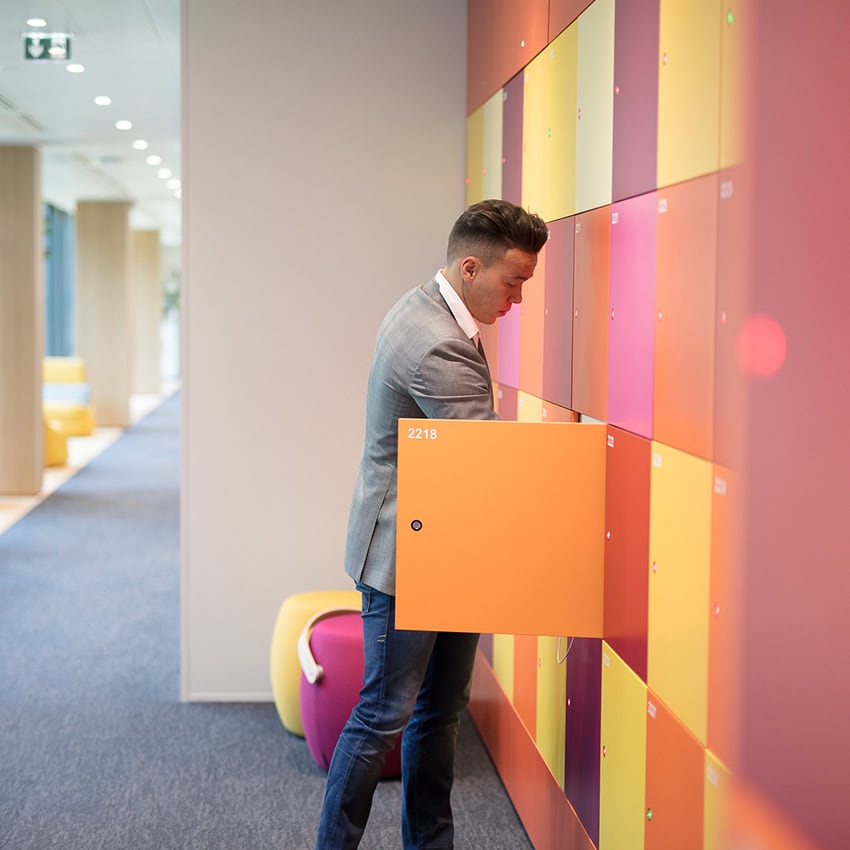
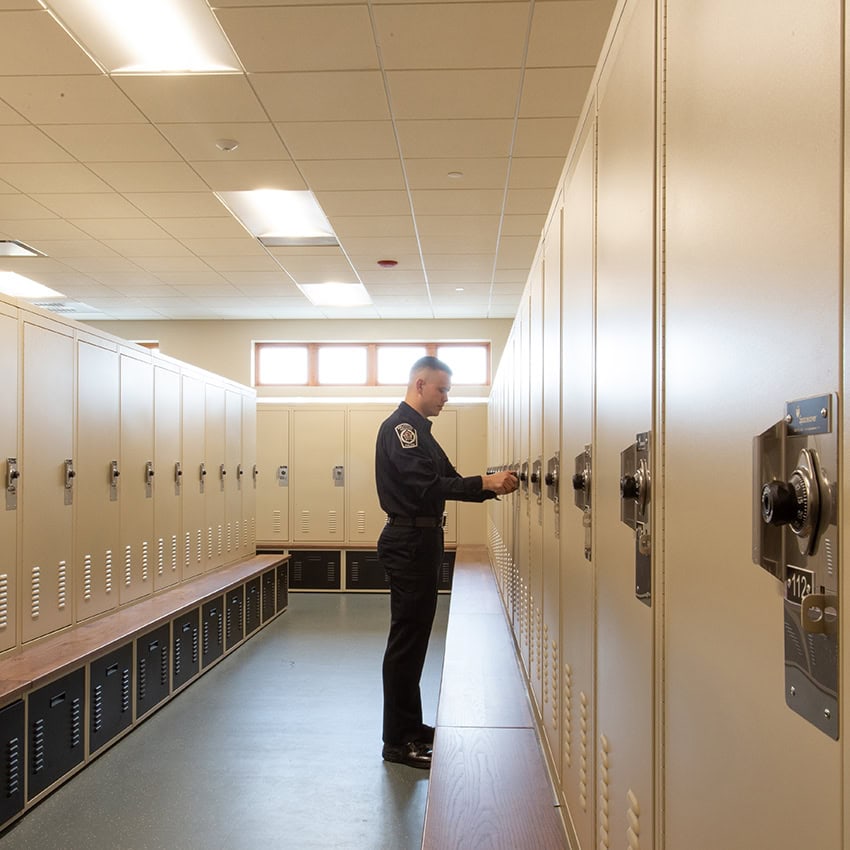
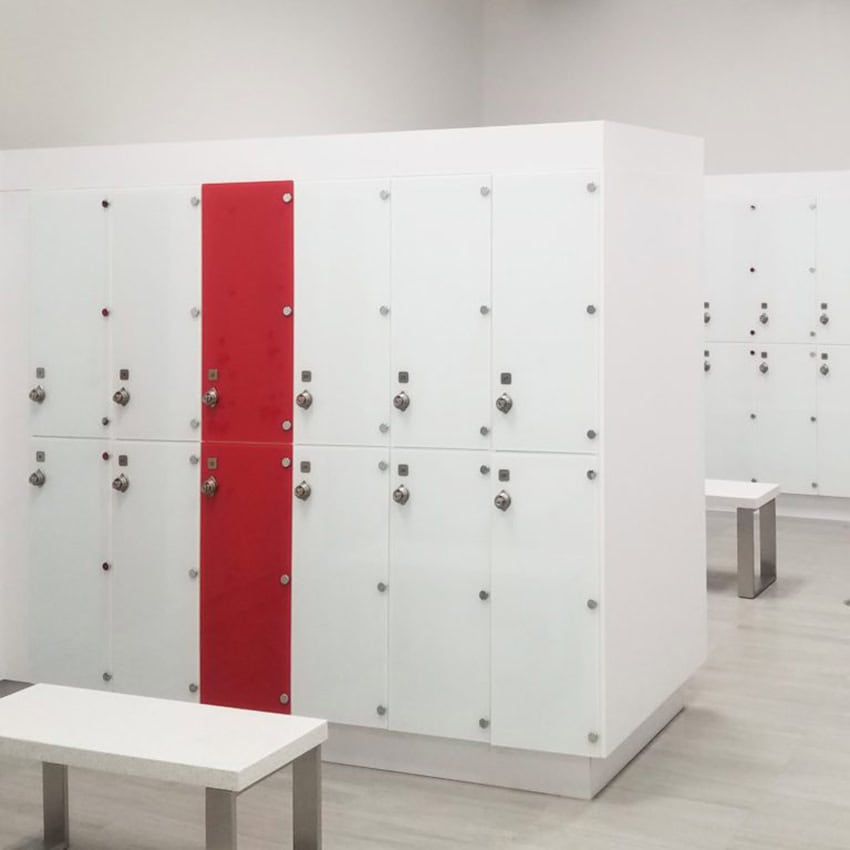
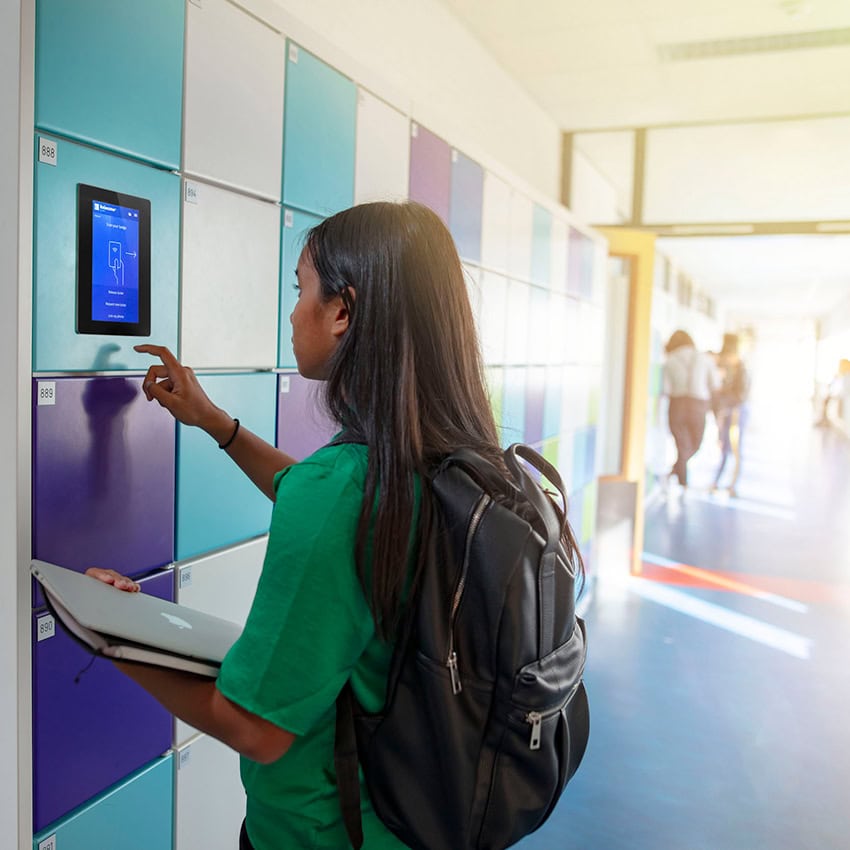
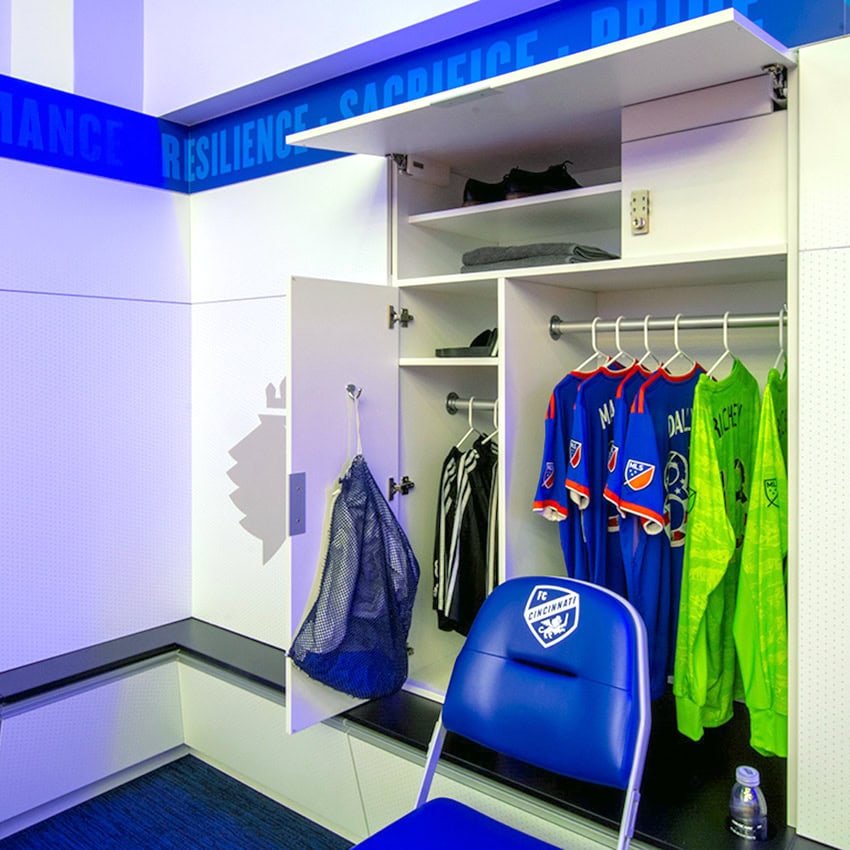
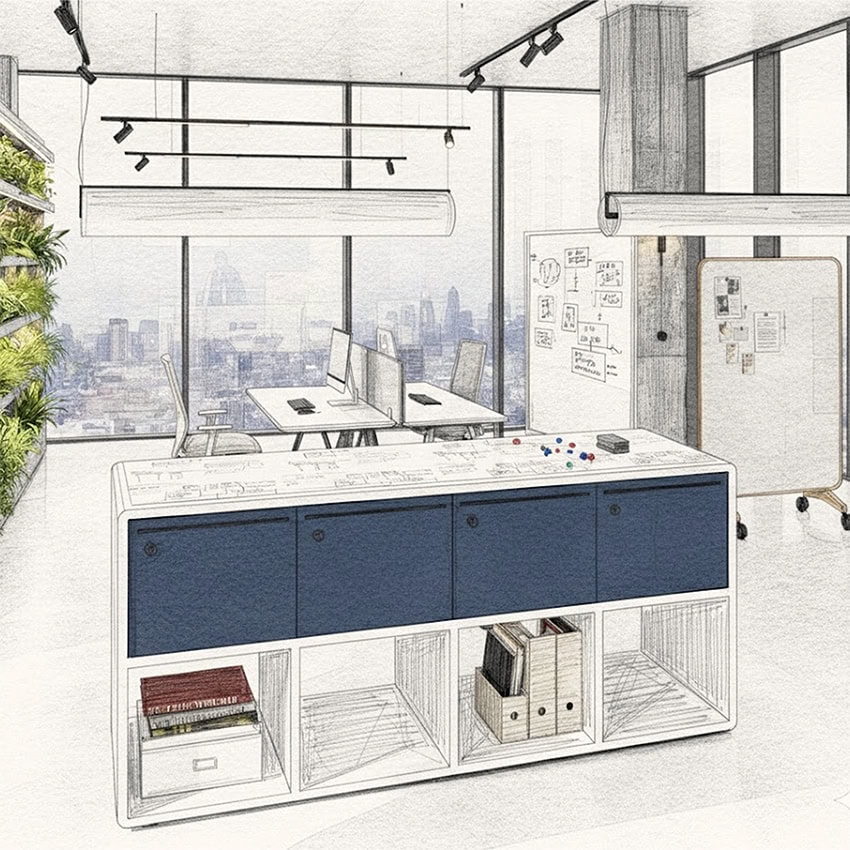

Cost and complexity aren’t driven by a single choice. They’re shaped by how lockers are used across a space. Most projects land somewhere on an access spectrum—from simple, to shared, to more managed use—depending on users, risk, and expectations.
Understanding those tradeoffs makes it easier to focus on what matters most.
Materials aren’t just about looks
Every locker material balances three things: budget, durability, and experience. The right choice depends on where the locker lives, who uses it, and how hard it’s expected to work.
Common material considerations- Laminate: Predictable cost, dry environments, clean appearance
- Metal: Lowest entry point, heavy use, utilitarian spaces
- Phenolic: Higher investment, able to handle moisture and washdowns, long lifecycle
- Wire: Visibility and ventilation, fast inspections, clear accountability
- Glass & speciality:Premium materials for highly visible, design-driven spaces
Access shapes how lockers work
In many spaces, access decisions influence workflow and cost as much as the locker itself. Most environments fall along a spectrum of use, rather than a single category.
A spectrum of locker use- Simple use: Assigned or predictable users, minimal administration
- Shared use: Multiple users, regular turnover, multi-user access
- Managed use: High accountability, centralized rules, visibility, and reporting
Different areas within the same building often land at different points on this spectrum.
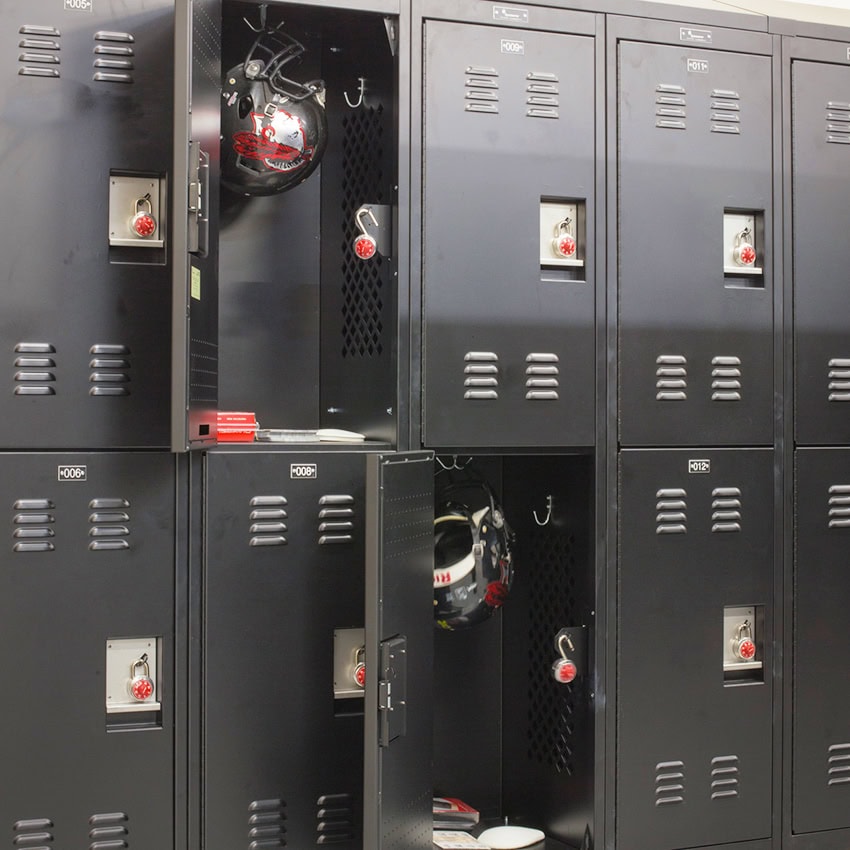
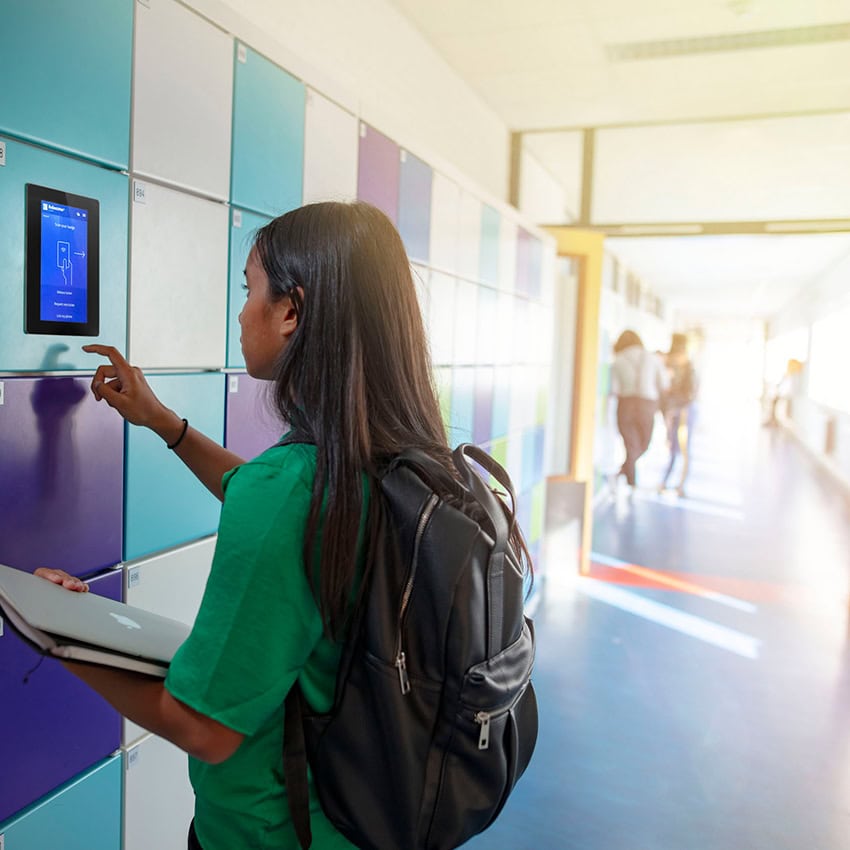
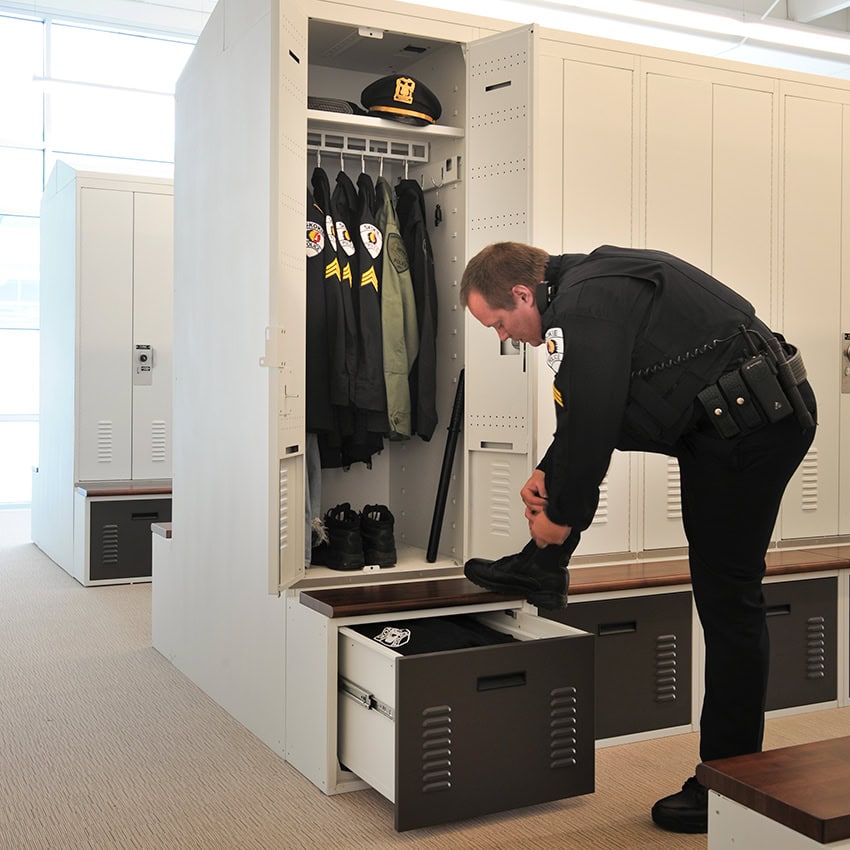
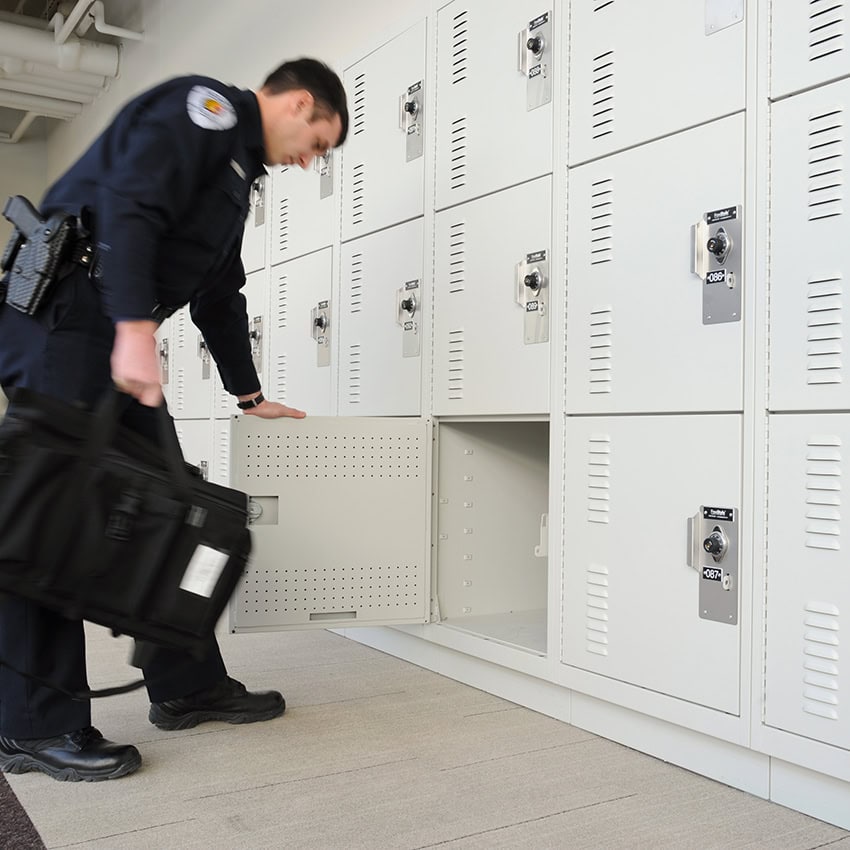
A picture is worth a thousand storage ideas.
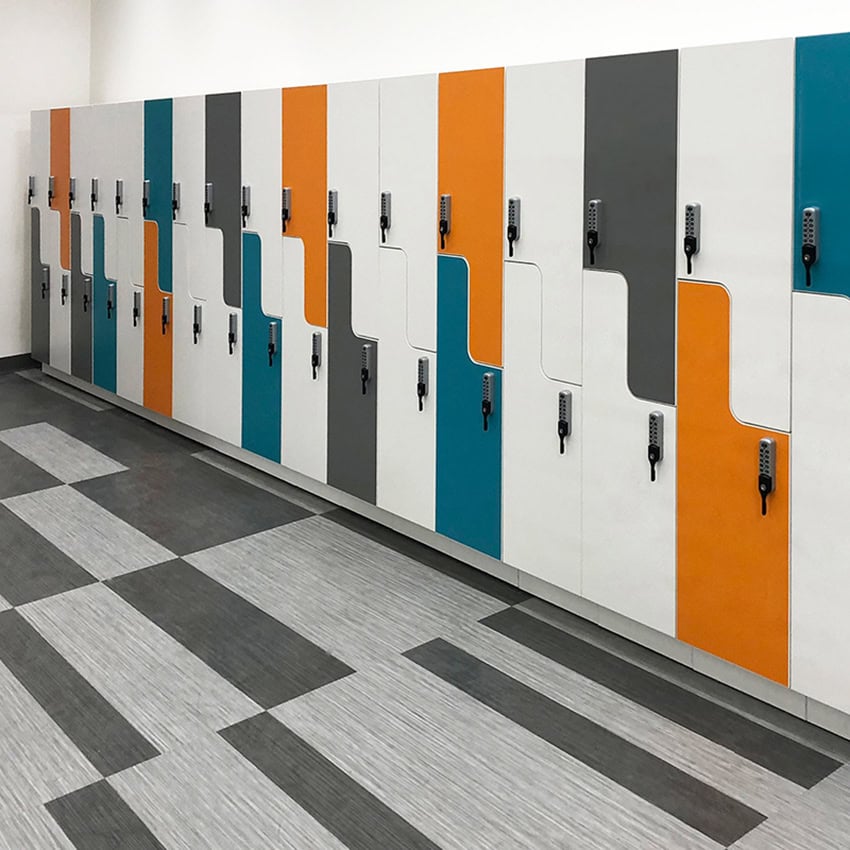
Scale changes everything
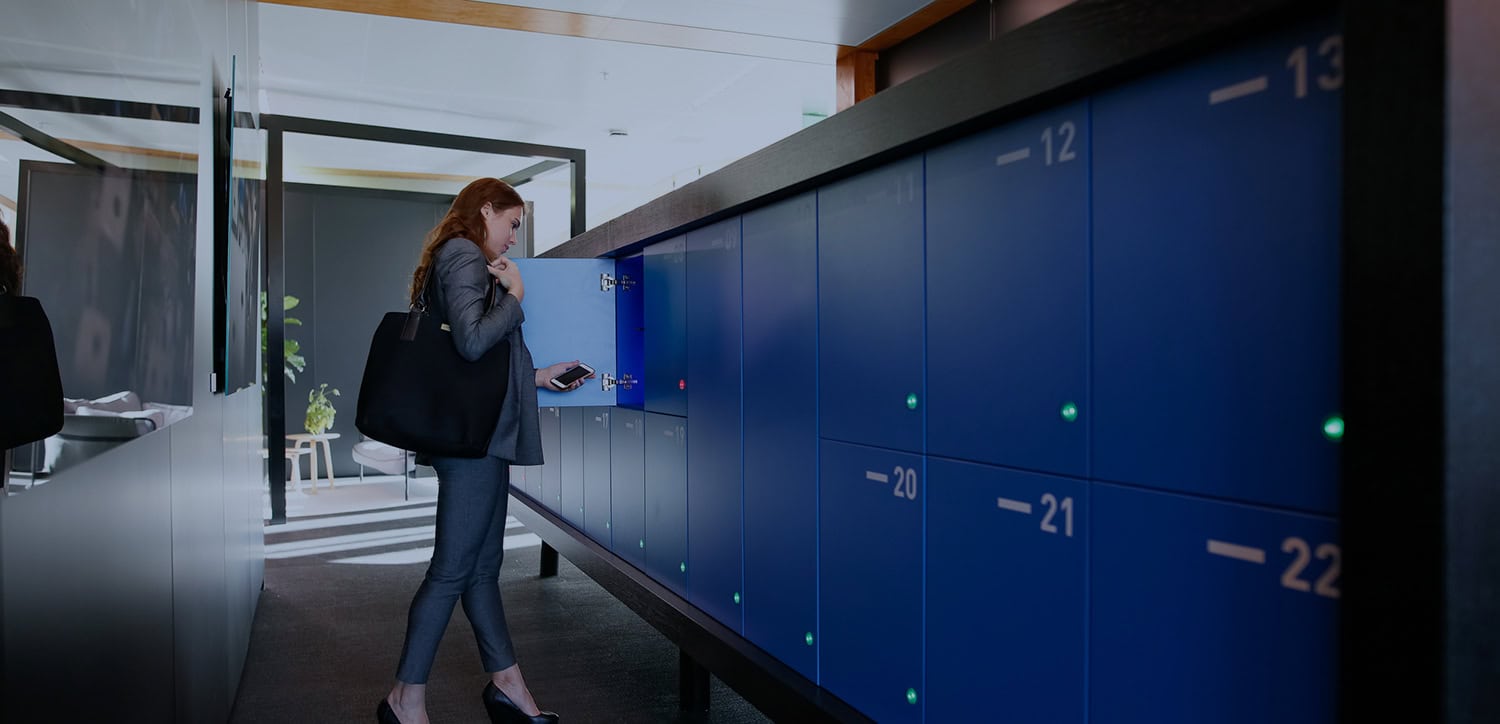
How many lockers you need, how tightly they’re packed, and where they’re placed all influence cost, usability, and long-term flexibility.
Layout decisions are often shaped by available footprint, number of users, shared versus assigned use, and how frequently lockers turn over.
When lockers stop being simple, it’s time to talk
- One locker solution isn’t cutting it anymore
- Workflow or accountability issues keep popping up
- Design teams and operations teams want different things
- You need clarity before committing to a direction
We help teams think through it early, so locker decisions support the space instead of complicating it later.