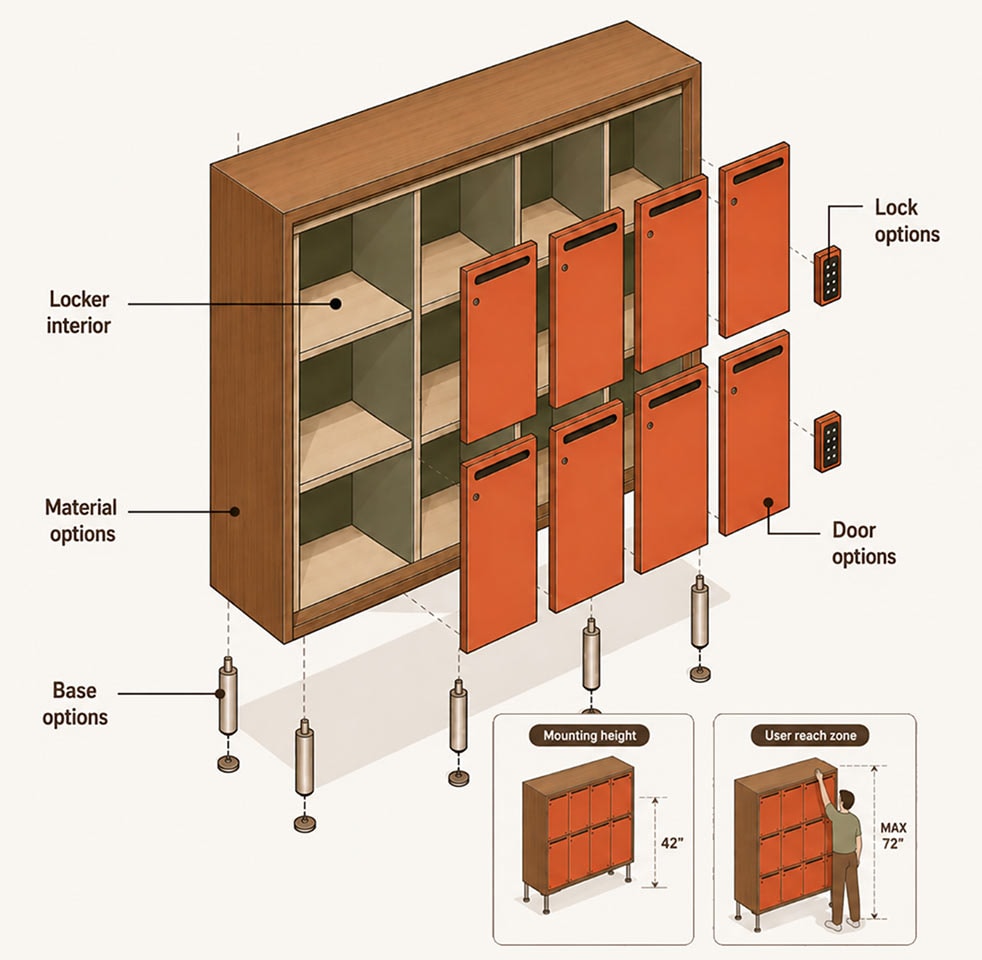


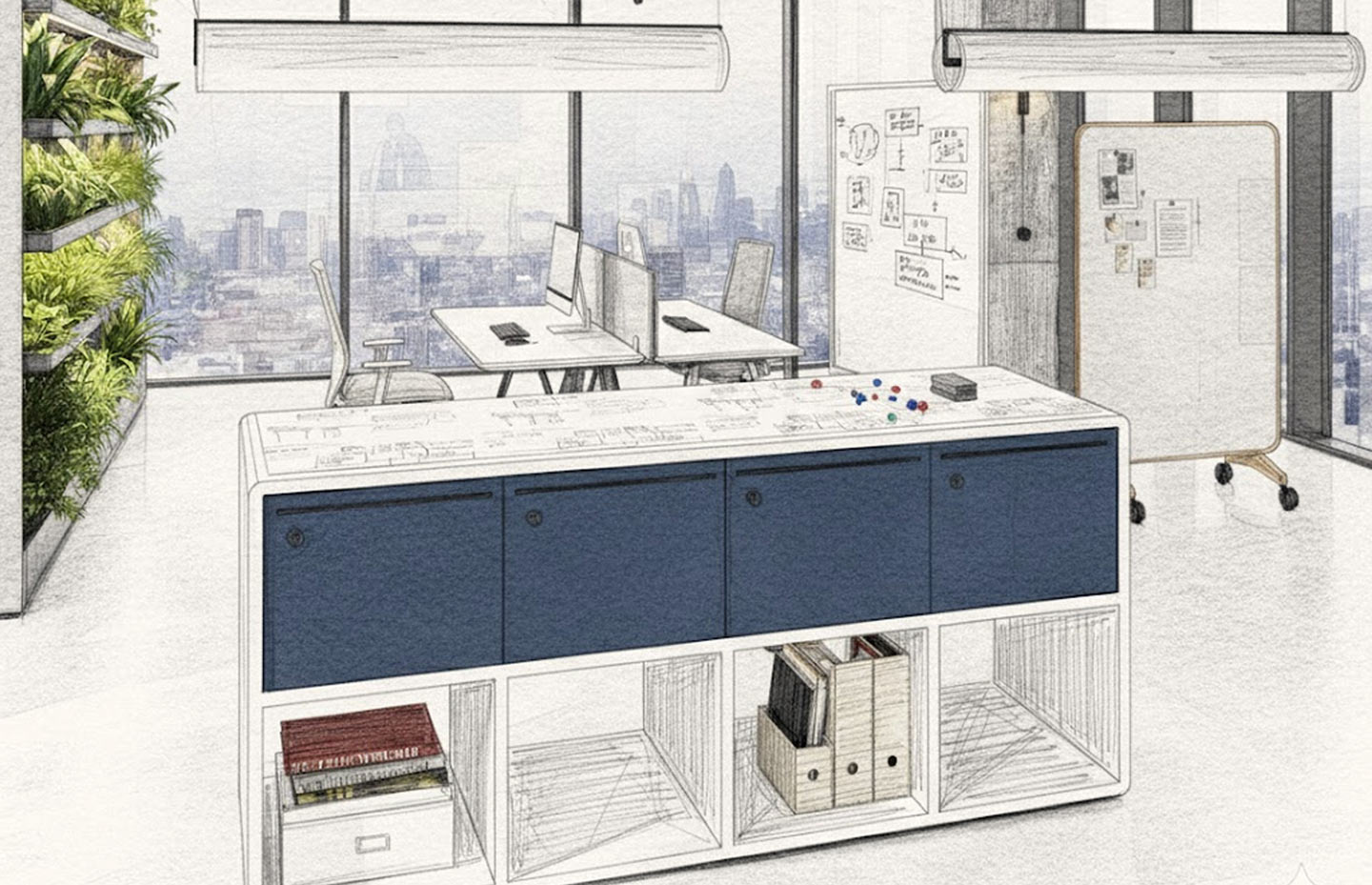
Locker Design Starts Before You Pick a Locker
When most people hear "locker," they picture a box with a door. But design teams know better. Locker design isn't about picking laminate versus metal. It's about understanding three things:
People. Behavior. Environment.
The "right locker" isn't universal. It depends on how it's used, where it sits, and who interacts with it every day. While good locker design removes friction, bad locker design quietly creates it.
Before we talk materials or locks, let's talk experience.
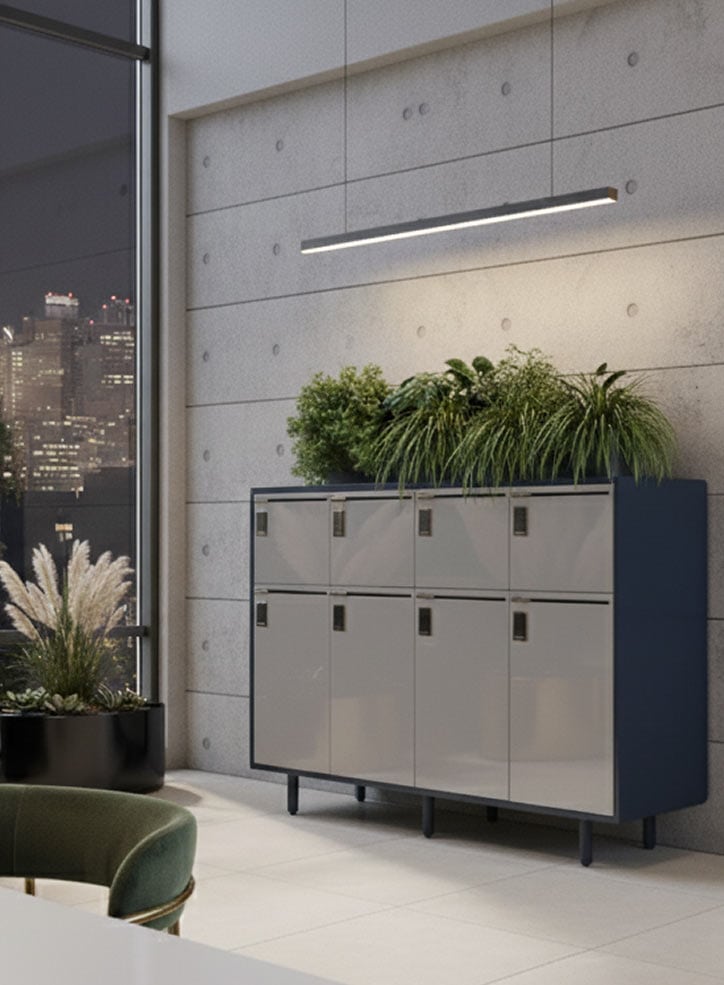
People First. Specs Second.
Lockers live in hallways, lobbies, locker rooms, secure zones, and shared spaces. They don’t live in isolation, and people don’t approach them calmly with empty hands.
Locker design starts with a few simple questions:
- Who’s using the locker?
- What are they carrying?
- How often do they access it?
- Are they sharing it or owning it?
- How easily can they reach their locker?
A bottom locker sounds efficient on paper, until someone has to get on their hands or knees to access it. A narrow interior might look clean in design, until a backpack doesn’t fit.
Designing for what people are actually storing—like backpacks, coats, or gear—along with reach, visibility, shared use, and time pressure is what separates a locker design that works from one that frustrates.
The Lock Isn’t an Accessory. It’s a Workflow Decision.
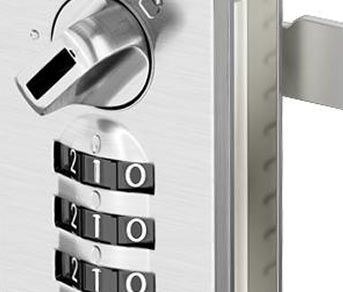
- Simple. Familiar. Lowest entry point.
- User-managed with minimal oversight.
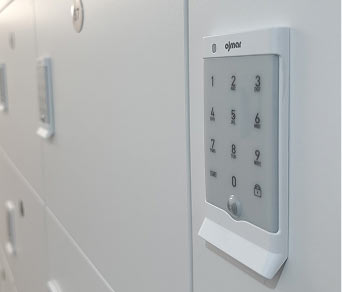
- Resettable. Faster turnover.
- Less key management. Moderate admin effort.
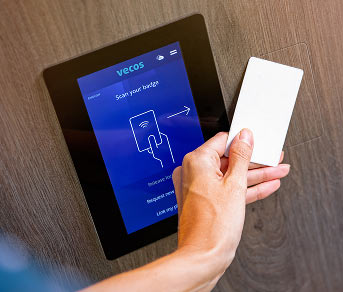
- Software-driven. Full reporting.
- Rules, automation, accountability.
- Lock choice often drives the entire system.
Materials Aren’t Cosmetic. They’re Environmental.
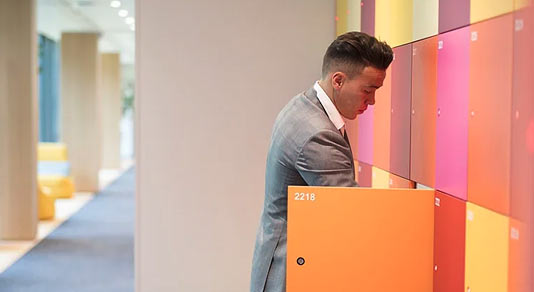
- Clean, controlled, interior-friendly.
- Best for dry environments where aesthetics matter.
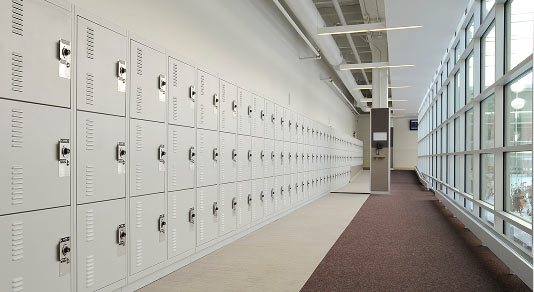
- Lowest upfront investment.
- Designed for utility first, and built to take abuse.
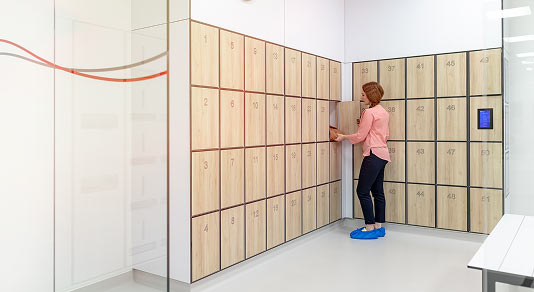
- Handles moisture, chemicals, and frequent washdowns.
- Long lifecycle. High upfront investment.
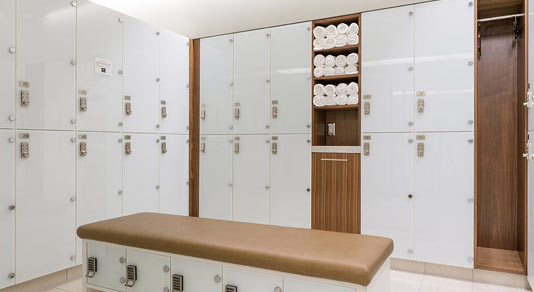
- Design-forward. Highly visible environments.
- Experience-driven, not utility-driven.
- Where does it live?
- Who sees it?
- How hard will it be used?
- How often will it be cleaned?
One Building. Multiple Users. One Cohesive Strategy.
Rarely does one locker type solve everything. A single building might include:
- Staff-only zones
- Public-facing areas
- Shared device storage
- High-security spaces
- Moisture-heavy environments